

The menopause is a normal transition in a woman's life that often brings with it a host of transformations, physically and emotionally. Understanding this stage is crucial for managing the myriad symptoms and challenges that can arise during the menopause and its forerunner, the perimenopause . Numerous women begin this stage with limited information, leaving them unprepared for issues such as hot flashes, mood swings, or cognitive changes. Fortunately, there are many strategies, treatments, and lifestyle adjustments that can facilitate this transition and promote overall well-being and wellness.
In this article, we will discuss effective menopause support approaches, from medical treatments like hormone replacement therapy and non-hormonal options to holistic practices such as mindfulness and dietary changes. Each woman's experience with menopause is distinct, and gaining insights into the different stages—the perimenopause, menopause, and the postmenopause—can empower women to stand up for their own health. Whether you're dealing with typical symptoms or looking for ways to enhance your quality of life during this important period, the information provided here will arm you with the tools you need for a smoother transition.
Grasping The Menopausal Transition and Its Phases
Menopause is a biological process marking the end of a female's childbearing years, and it typically occurs between the years of forty-five and fifty-five. The shift to menopause is not immediate; it develops over multiple seasons, beginning with perimenopause, where hormonal fluctuations can lead to various symptoms. Comprehending these variations is important for females to manage this important life phase with greater ease and awareness.
The perimenopausal phase is the stage leading up to menopause, characterized by unstable hormone levels and symptoms such as unsteady menstrual cycles, hot flashes, and mood changes. This phase can last a number of years, during which women may experience both physical and emotional challenges as their bodies prepare for the end of menstruation. menopause symptoms is defined as the point when a woman has not had a monthly period for twelve straight months, indicating a significant drop in estrogen production.
The postmenopausal stage follows menopause and can introduce its own set of changes and health considerations. During this stage, women may still face symptoms that stem from lower hormone levels, but many find comfort as their bodies adapt. It is crucial to focus on long-term health strategies during postmenopause, as women experience an increased risk of health issues such as osteoporosis and cardiovascular disease. Equipping women with information about these stages can enhance their overall well-being and lifestyle during this life-changing time.
Managing Symptoms and Therapy Choices
Maneuvering the different symptoms of menopause can be daunting, but knowing your options can significantly smooth the process. Hormonal changes are typical during perimenopause and the menopause phase, leading to symptoms such as heat waves, mood swings, and sleep disturbances. Hormonal therapy has emerged as a key therapeutic solution for many women, providing help from these signs. It is essential to discuss the benefits and risks of HRT with a medical professional to establish candidacy and the most suitable strategy.
Non-hormonal prescription treatments like Fezolinetant, certain SSRI medications, and Gabapentin (for nerve pain) are also effective alternative choices for treating particular signs. These drugs can help alleviate flushes and mood swings without the administration of hormonal substances. Additionally, local vaginal hormone treatments are advantageous for those experiencing GSM, addressing vaginal dryness and discomfort during intimacy. OTC options, such as lubricants and sex lubricants, provide further support for sexual health.
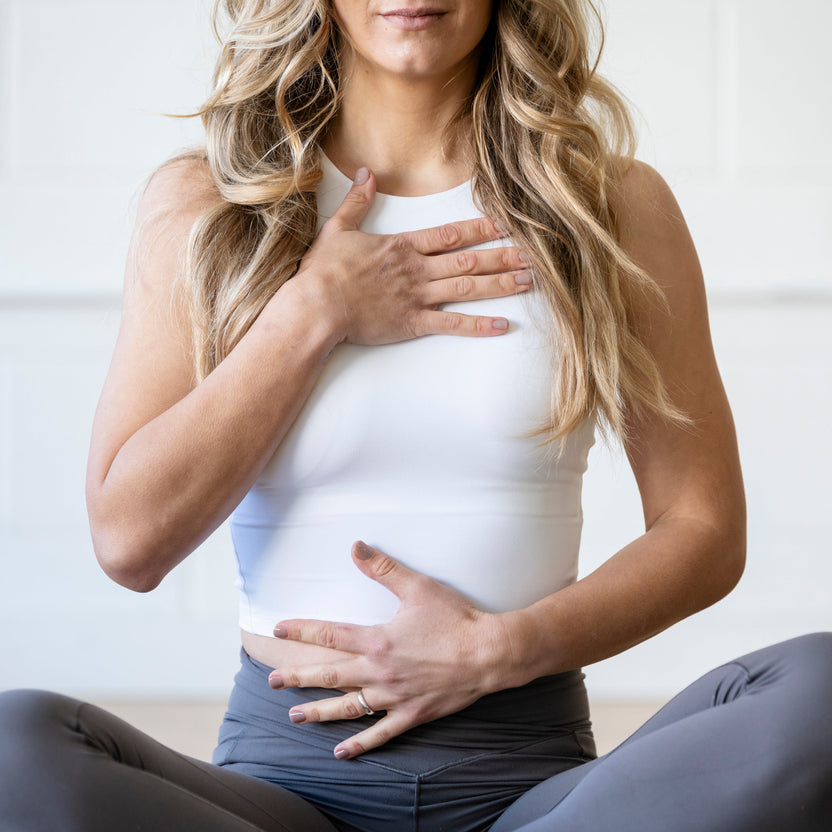
Beyond drugs, daily life changes play a crucial role in managing symptoms. Nutritional adjustments, such as following a Mediterranean-style diet or including foods high in phytoestrogens, can help reduce some indications while enhancing general well-being. Strength training and focused workout routines are important for preserving lean muscle mass and addressing weight gain associated with the menopause transition. Furthermore, developing ways to reduce stress and implementing mindfulness can enhance clear thinking and alleviate anxiety, making it easier to handle this significant life change.
Prolonged Health and Well-Being Approaches
Prioritizing long-term health in as well as after menopause is crucial for preserving energy as well as overall well-being. Regular physical activity should be a key component of your wellness plan. Muscle training and resistance workouts help protect healthy muscle mass and promoting bone density, reducing the risk of osteoporosis. Adding focused exercise designed to your preferences, such as yoga or walking, can also aid in managing weight and enhancing cardiovascular health. Aim for a comprehensive routine that consists of both aerobic as well as strength-training exercises to promote a holistic approach to your health.
Food intake has a crucial role in nurturing your body during this transformative phase. Embrace a Mediterranean diet rich in whole grains, fruits, vegetables, nuts, and healthy fats to provide necessary nutrients while also support hormonal balance. Including phytoestrogen-rich foods, such as soy products, can help alleviate some symptoms associated with hormonal fluctuations. Additionally, guaranteeing adequate intake of calcium and vitamin D is crucial for bone health. Tracking your dietary habits can substantially impact your vitality, mood stability, and overall quality of life.
In conclusion, addressing mental health is just as crucial as physical health during as well as following menopause. Utilizing stress relief techniques such as mindfulness, meditation, and cognitive behavioral therapy can significantly improve emotional well-being. Engaging in social activities as well as building a strong support network can also help alleviate feelings of isolation. By concentrating on both physical and emotional wellness approaches, you strengthen yourself to accept this life transition with confidence and resilience, promoting a healthier and more fulfilling future.